
― By Dona Bertarelli
Biophilia is a concept that deserves more space in our public conversations. It describes the innate human tendency to seek connection with nature and other living beings, an idea shaped in the 1980s through the work of biologist Edward O. Wilson. In many ways, it captures the instinct behind our sense of wonder: the quiet pull we feel toward the ocean, the calm that settles on a woodland trail, the peace that comes from a mountain range.
It exists in us before anything is taught. Nature gives it to us, and nurture either strengthens it or allows it to fade.
This idea is not abstract. Decades of research across ecology, psychology and education show that time spent in nature cultivates deeper awareness and compassion for the living systems around us. Encounters with natural environments develop our sensitivity to the dynamics and species that rarely catch our attention, reinforcing a sense of responsibility toward the natural world. This explains why we feel compelled to protect habitats, respect biodiversity and understand our place within larger ecosystems.
Yet biophilia is under pressure. Today, the world in which children grow up is more digital, more urban and more fragmented than at any point in history. Many young people spend far less time outdoors than previous generations. Access to natural spaces is uneven. And as children move into adolescence, their sense of connection to nature drops sharply. The result is a widening biophilia gap that weakens the collective will to care for the planet.
The consequences are real. When children lose regular contact with the natural world, they lose sensory and emotional experiences that shape their understanding of living systems. They also lose the sense of belonging to something larger than themselves. And society loses the future stewards who will be called upon to protect the ecosystems that sustain us all.
This is where nurture matters most. Biophilia may be innate, but it needs reinforcement. It grows stronger through experience, encouragement and access. When children explore a shoreline or a forest path, marvel at a city park pond, or listen to birds from a balcony, something awakens. And once awake, that bond often lasts a lifetime.
Growing evidence shows that when children are regularly in contact with nature – or share their homes with animals – this early spark develops into something deeper. Daily interaction with other living beings nurtures empathy and strengthens prosocial behaviors, teaching children to notice, interpret and respond to needs beyond their own. Caring for a garden, growing a plant from seed on a windowsill, or feeding a pet builds a discipline: responsibility, routine and the confidence that comes from being trusted with meaningful tasks. And as they care and observe, they also witness growth and loss, learning resilience and the simple truth that life moves in cycles. These are lessons no textbook can fully provide.
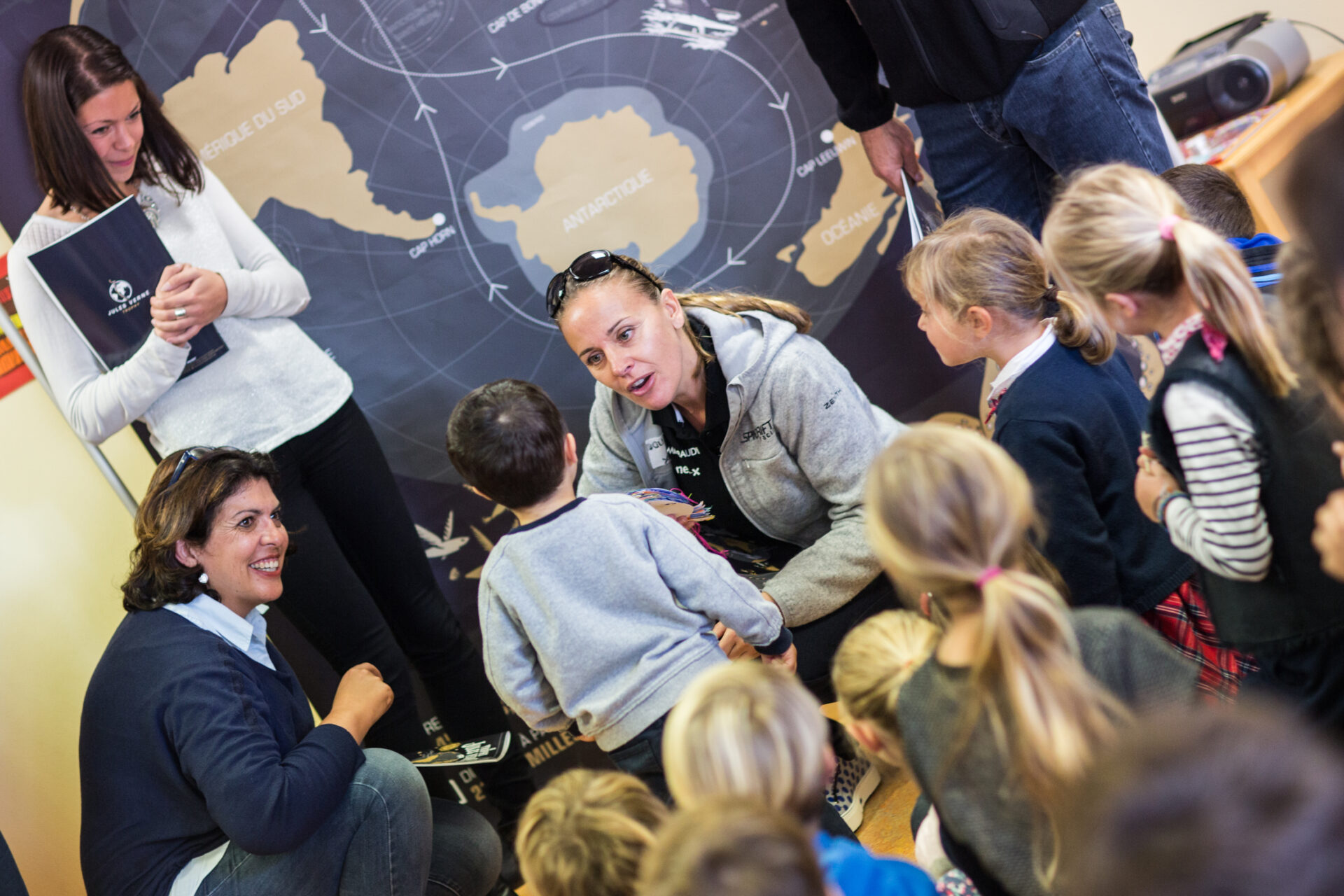
With Dona Bertarelli Philanthropy, I have worked for many years to protect and restore this connection through programs that place young people back at the heart of the natural world. Among them, Sow my Dream supports and inspires the young eco-citizens of tomorrow, by offering free, accessible educational resources on biodiversity and promoting outdoor classes. This allows educators to integrate nature preservation into their lessons without added workload, and it helps students better understand the living world, while discovering how they can help shape a more balanced future between people and nature.
Biophilia tells us that every child carries a relationship with the living world inside them. Our responsibility as adults is to help them keep it alive. Because when children reconnect with nature, they gain more than knowledge. They gain a sense of belonging, purpose and possibility. And the planet gains a generation ready to care for the world it will inherit.